
PTSD Service Dogs, Trained in Sacramento
Task-Trained Dogs for Veterans and Civilians Living With PTSD
You already know what the bad days look like. The grocery store on a Saturday, the parking lot behind you, the moment your chest tightens before your brain has caught up. A trained PTSD service dog doesn’t make any of that stop. What it does is give you something to do with your hands and a body between you and the room, and it does that on cue, reliably, in public, whether or not you are in any shape to ask twice. That reliability is the whole product, and it’s the part that can’t be rushed.
Quick Takeaways
- A task, not comfort: Under the ADA, a service dog has to be trained to do something specific for your disability. Presence alone doesn’t qualify.
- The tasks we train for PTSD: deep pressure therapy, interrupting a spiraling behavior, alerting to anxiety signals, and standing as a soft barrier between you and a crowd.
- Public access is its own skill: A dog that works at home and falls apart in a checkout line isn’t finished.
- Diagnoses we accept: PTSD, anxiety disorder, bipolar disorder, autism, and medical disability, documented by a physician.
- No registration exists: The ADA requires no certificate, no ID card, and no vest. Anyone selling you one is selling nothing.
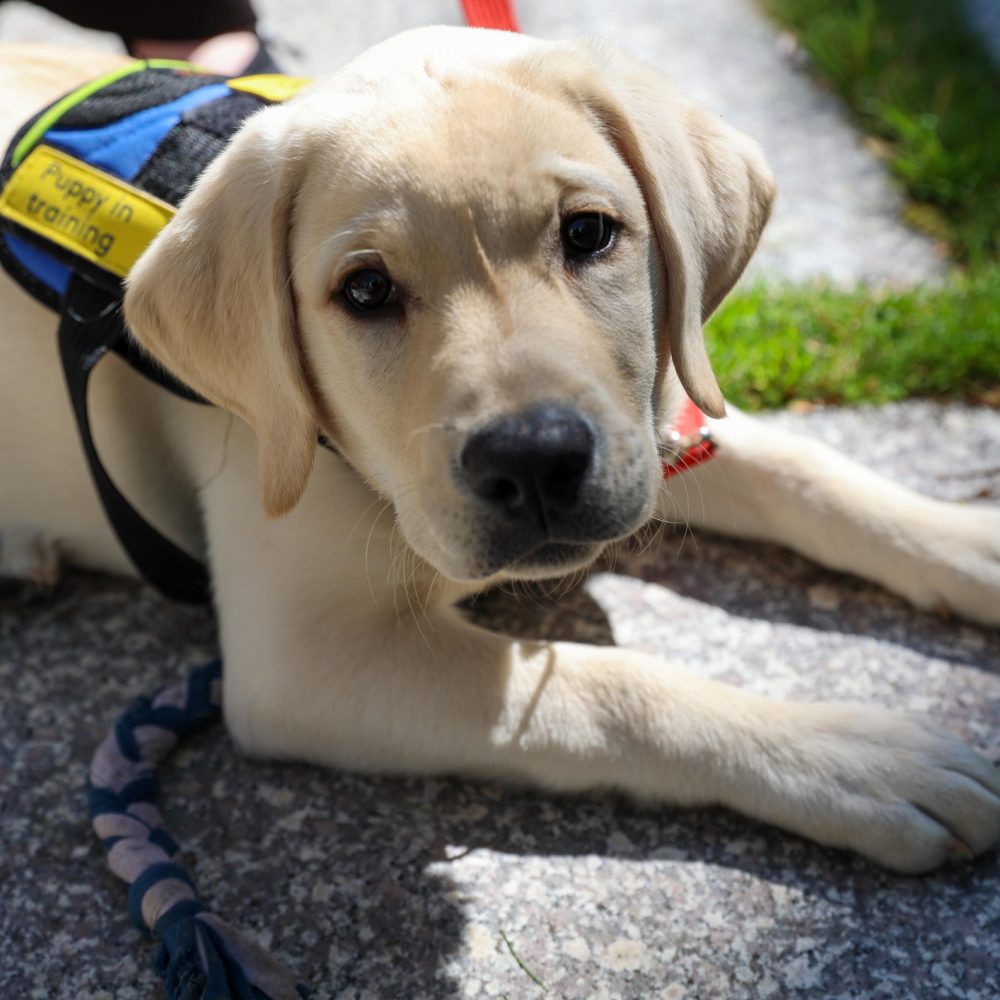
The Difference Between a Trained Task and a Dog That Means Well
The legal line is narrow and it matters. The Department of Justice is direct about it: a service animal is a dog trained to perform work or a task directly related to a person’s disability, and comfort by itself doesn’t count. ADA.gov gives the exact example — a dog trained to lick a handler’s hand to alert them to an oncoming panic attack.
Read that closely. The dog isn’t just present. The dog is doing a job.
Any friendly dog will sit near you when you’re upset. A task-trained dog catches the change in your breathing before you do and puts its nose under your palm, because that behavior was built, rewarded, and proofed under distraction until it held.
The Tasks We Train Into a PTSD Dog
Four of them do most of the work.
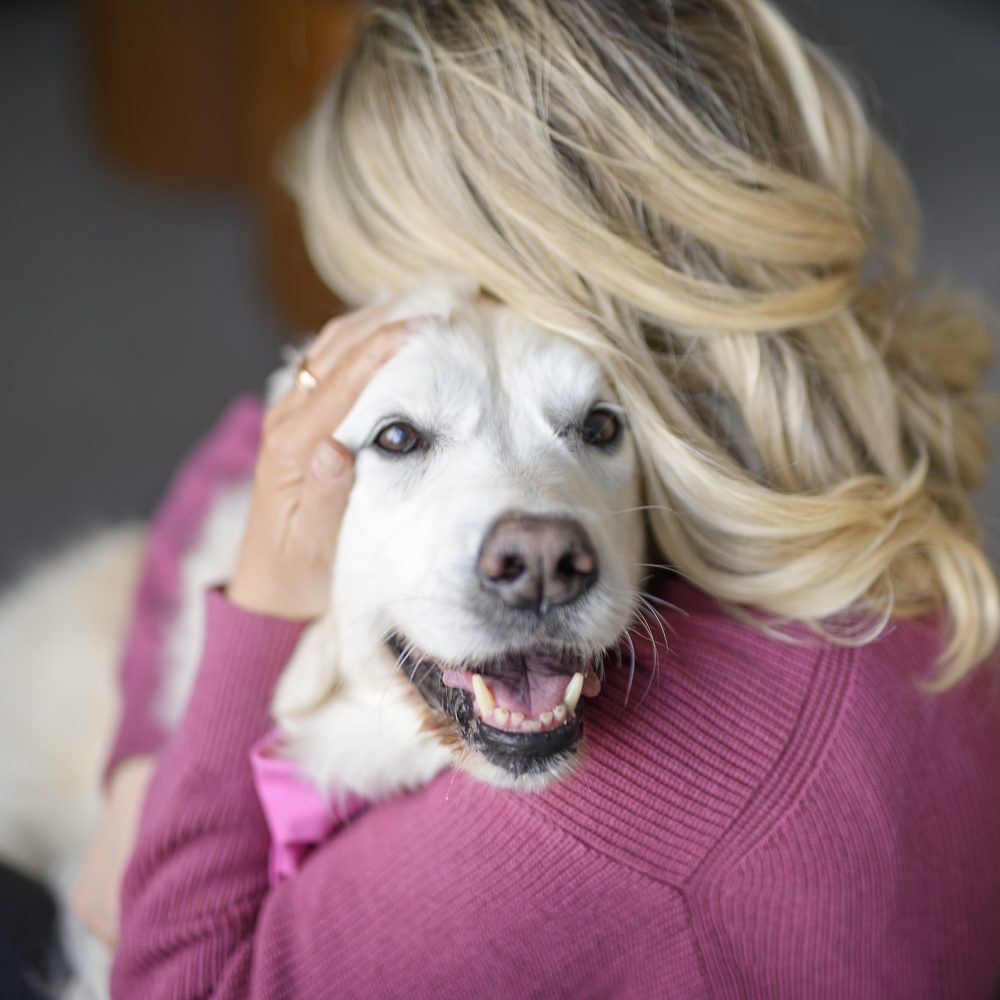
- Deep pressure therapy (DPT). The dog lies across your lap or chest on cue and stays there. Weight and contact, held long enough to matter.
- Behavior interruption. Picking, rocking, pacing, dissociating — the dog is trained to break it, usually with a nose or a paw, before it runs long.
- Anxiety alerting. The dog reads the physical tells you stop noticing in yourself and flags them early.
- Soft barrier work. On cue, the dog positions between you and whoever is standing too close. Nothing aggressive, nothing showy. It just takes up space.
Why Veterans Make Up So Much of This Work
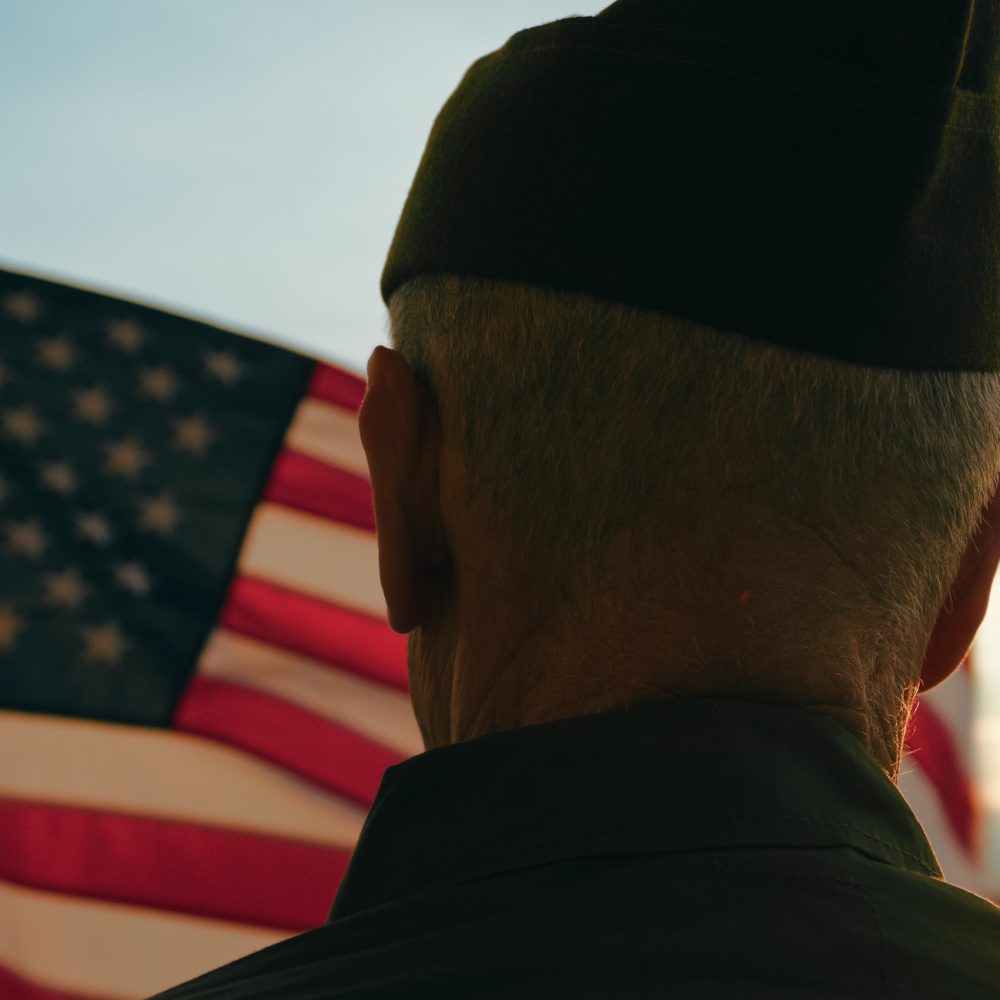
The VA’s National Center for PTSD reports that 7 out of every 100 veterans will have PTSD at some point in their lives, against 6 in 100 among adults generally. The VA calls that difference slight, and it is. The number that isn’t slight sits underneath it: among female veterans the figure is 13 in 100, more than double the rate for men.
Those numbers land in Sacramento like anywhere else. What changes locally is the set of rooms the dog has to hold together in — transit, the Capitol, a VA appointment, a hardware store on a Saturday — and how early in training it starts meeting them.
The Dog Is Half of It. You Are the Other Half.
A finished dog living with a handler who never learned the method stops being a finished dog. Cues drift, criteria slip, and the behavior you paid for erodes quietly until one day it just isn’t there. A written handover can only cover so much; maintaining consistency, timing, and clear criteria is what keeps your dog’s behavior sharp for years to come.
What We Need to Know Before We Match a Dog to You
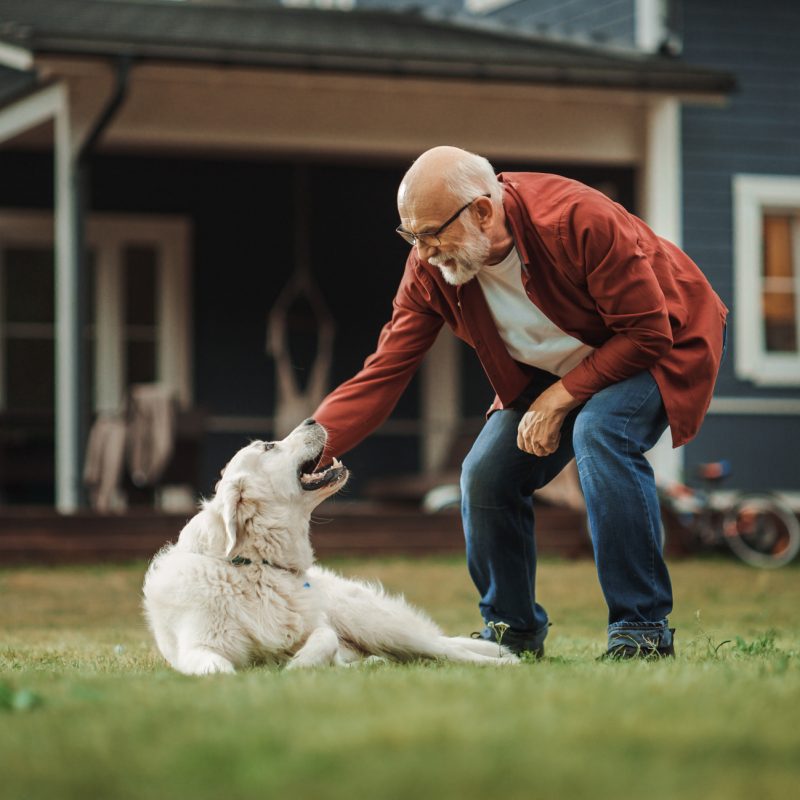
The application is long on purpose. We ask for your medical diagnoses from a physician, your history with dogs, who else in the house will handle the animal, which tasks you actually need, and what your days look like. Then we ask you to tell us your story in your own words.
Here is the blunt version: we will never lie to you, and this only works if you don’t lie to us either. A dog matched against a fiction gets returned, and that is bad for everyone, worst of all the dog.
Frequently Asked Questions
What tasks can a PTSD service dog be trained to do?
Deep pressure therapy, interrupting repetitive or dissociative behavior, alerting to early anxiety signals, and positioning as a physical barrier in crowds. Many handlers also need the dog steady enough to travel with them to work or school. Each task has to be trained deliberately — a dog cannot be assigned a task it was never taught.
Do I need a doctor's diagnosis to get a PTSD service dog?
Yes. Our application asks for medical diagnoses from a physician, and PTSD is one of the conditions we accept, along with anxiety disorder, bipolar disorder, autism and medical disability.
Does a PTSD service dog have to be registered or certified?
No. The ADA does not require a service dog to be certified, registered, or to complete a professional training program, and it does not require a vest or ID. Online registries have no legal standing.
Can a PTSD service dog fly or come to work with me?
Working alongside you at your job is one of the needs our application asks about by name, and it is a normal thing to train for. Flying is a separate matter — air travel runs under its own federal law rather than the ADA, so start with the airline’s process well before you book anything.
Is an emotional support animal the same as a PTSD service dog?
No. Emotional support animals are not service animals under the ADA, because providing comfort is not a trained task. That distinction decides where the animal is legally allowed to go.
Start the Conversation
If you’ve read this far, you’re past the browsing stage. The next step is the application — it takes a while, and it should.
Training with YES · Sacramento, California · trainingwithyes.com